Booking Details to Check Before You Enrol
Prices, dates, times, and venues can change. Check the live Brisbane course listing before you sign up.
Before booking, review:
- course fee
- next available date
- start time and finish time
- delivery format
- venue location
- online learning or pre learning needs
- certificate outcome
- refund or transfer terms
- whether CPR is included
- whether the unit matches your workplace needs
This step can save time. It also helps you avoid booking CPR only when your employer needs HLTAID011, or booking a general course when your role needs HLTAID012.
Need to book soon? Check Brisbane dates first, then choose the right unit.
Practical Assessment and Certificates
Most CPR courses include a practical skills test.
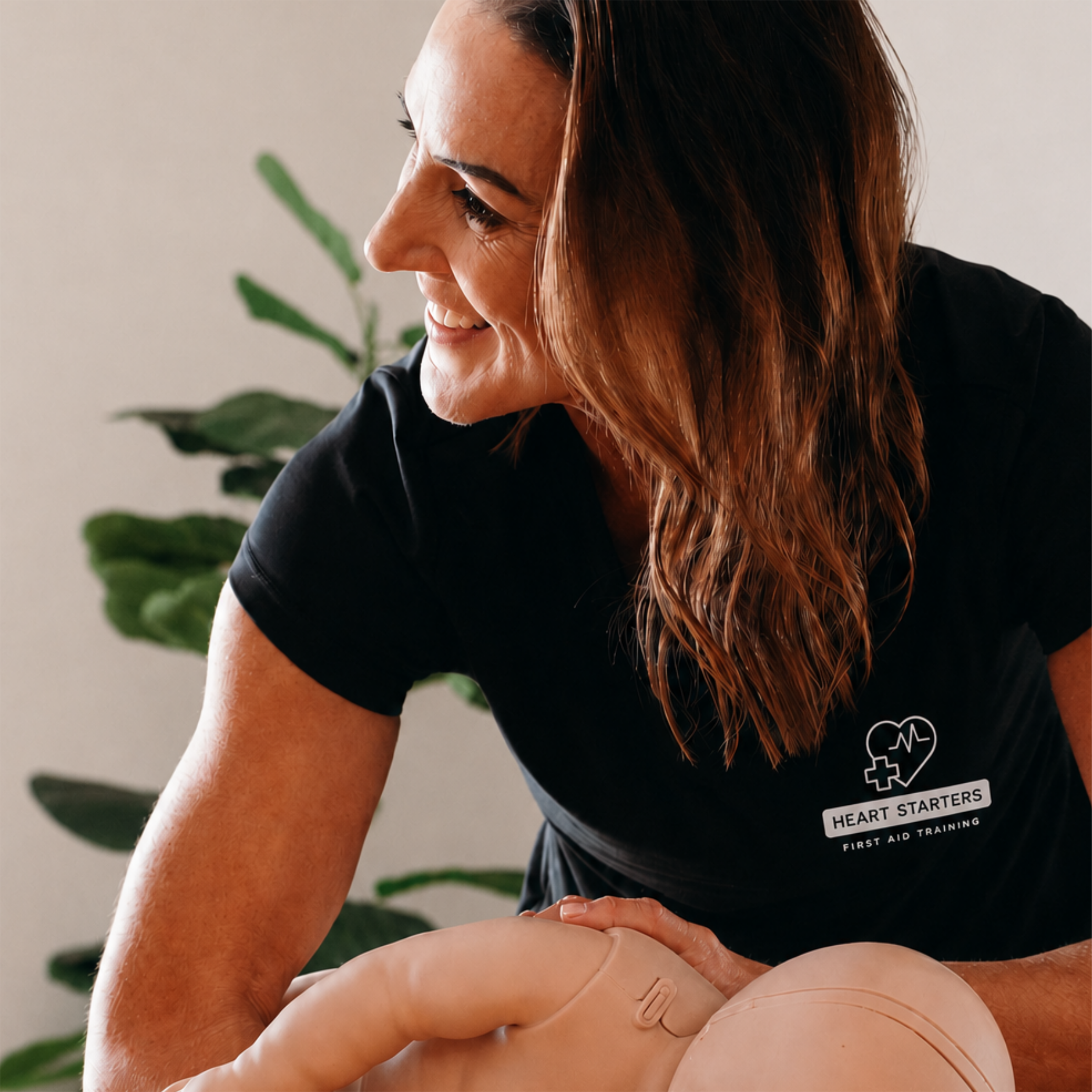
You may need to perform CPR on a manikin placed on the floor. This helps show that you can provide CPR in a first aid emergency.
After you meet the assessment needs, you receive a statement of attainment for the unit or units completed.
This may help with:
- work
- study
- volunteering
- childcare
- sport
- licence needs
- workplace first aid roles
Brisbane First Aid Certificate Renewal
Renewal timing can depend on your employer, industry, or study provider.
CPR Renewal
Most people renew CPR every 12 months.
This helps keep resuscitation skills fresh. It also helps you act with more confidence if someone is not breathing normally.
First Aid Renewal
Most people renew HLTAID011 Provide First Aid every 3 years.
This keeps aid knowledge, first aid response steps, and basic emergency life support skills current.
Childcare First Aid Renewal
If you work in childcare or education, ask your workplace which renewal rules apply. Many employers ask staff to keep HLTAID012 current.
Expired Certificates
If your certificate has expired, you may need to complete the full course again.
Check course entry details before booking a refresher.
First Aid Training for Brisbane Businesses
Brisbane employers often need staff trained without losing too much time to travel. This is common for teams outside the CBD or spread across several sites.
Group first aid training may suit:
- CBD offices
- childcare centres
- schools
- hospitality venues
- warehouses
- gyms
- construction teams
- aged care teams
- disability support providers
- retail teams
- event staff
- sporting clubs
Allens Training can help with group training through its approved training network.
For managers, group bookings can make it easier to train several staff at once. They can also help keep renewal dates easier to track.
Local Workplace First Aid Needs in Brisbane
Different Brisbane workplaces face different first aid needs.
Offices and Corporate Teams
Office teams may need first aiders during business hours.
Large buildings, strata teams, and shared workspaces may also need first aid kits and staff who know how to use them.
Childcare Centres and Schools
Childcare centres and schools need staff who can act fast around infants and children.
Training may cover asthma risk, anaphylaxis, sudden illness, injuries, and other care setting needs.
Hospitality and Event Venues
Brisbane has busy cafés, restaurants, hotels, stadiums, and event spaces.
First aid skills can help staff deal with burns, cuts, choking, fainting, slips, and common injuries.
This matters around South Bank, Fortitude Valley, Suncorp Stadium, The Gabba, and large public events.
Construction and Trades
Construction and trade teams may face cuts, falls, heat stress, sprains, and site hazards.
Some roles may also need CPR/LVR, manual handling, or extra safety training.
Sport, Fitness, and Outdoor Recreation
Coaches, trainers, gym staff, pool teams, and sport clubs often need CPR and first aid.
Brisbane’s warm climate, parks, river activities, and outdoor sport can raise the need for heat stress response, injury care, asthma response, and fast CPR action.
Brisbane Heat, Storms, and Outdoor Risks
Brisbane’s weather creates first aid needs that are not the same as every other city.
Hot days can raise the risk of heat stress, dehydration, fainting, and heat illness. Storm season can bring slips, falls, power outages, and injuries during clean-up work.
Outdoor sport, cycling, running, river activities, and weekend events can lead to sprains, fractures, cuts, allergic reactions, asthma, and sudden illness.
A first aid course can help you spot warning signs and take early action.
What You May Learn in a First Aid Course
Course content changes based on the unit. A first aid course may teach you how to:
- check for danger
- follow DRSABCD
- perform CPR
- use an AED
- call emergency services
- check breathing
- help with bleeding
- treat burns
- help someone who is choking
- manage shock
- respond to asthma
- respond to anaphylaxis
- help with seizures
- manage sprains and fractures
- respond to bites, stings, and poisoning
- respond to heat stress
- report an incident
- use basic items from first aid kits
These aid skills can help at work, home, school, sport, and public events.